Houston Port Logistics: Container Services for Gulf Coast Importers
Houston Port Logistics Serves the Fastest-Growing Import Market in the US
Houston port logistics handles a growing share of US containerized imports, and for good reason. Port Houston ranked as the top US port by waterborne tonnage and processed over 4 million TEUs in 2025. Importers in Texas, the Midwest, and the Southeast are discovering that routing through Houston avoids the chronic congestion of West Coast ports while cutting transit times for goods coming from Europe, the Middle East, India, and Latin America.
If you import into the central US, Houston port logistics deserves a hard look. The math often works better than shipping to Long Beach and railing freight inland, especially when West Coast port fees and congestion costs are factored in.
Port Houston Terminal Operations
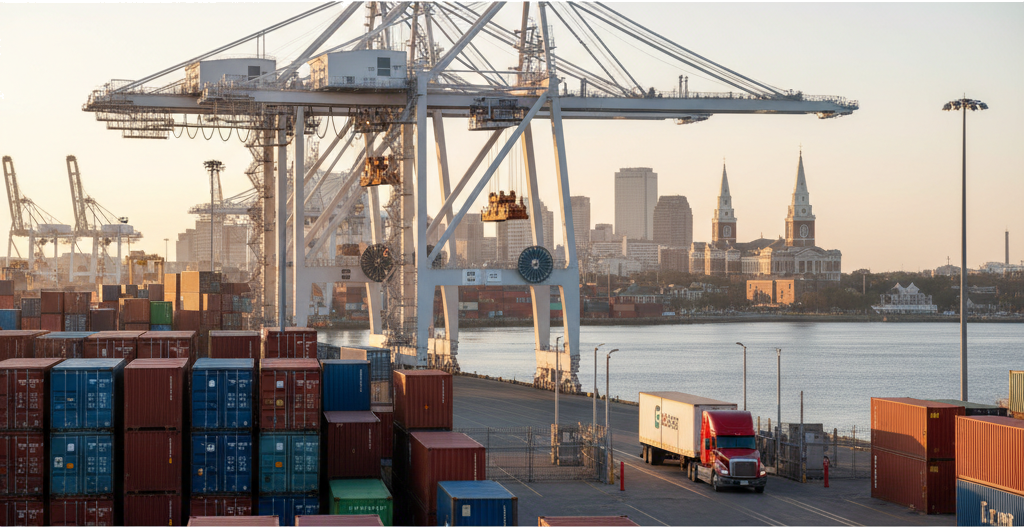
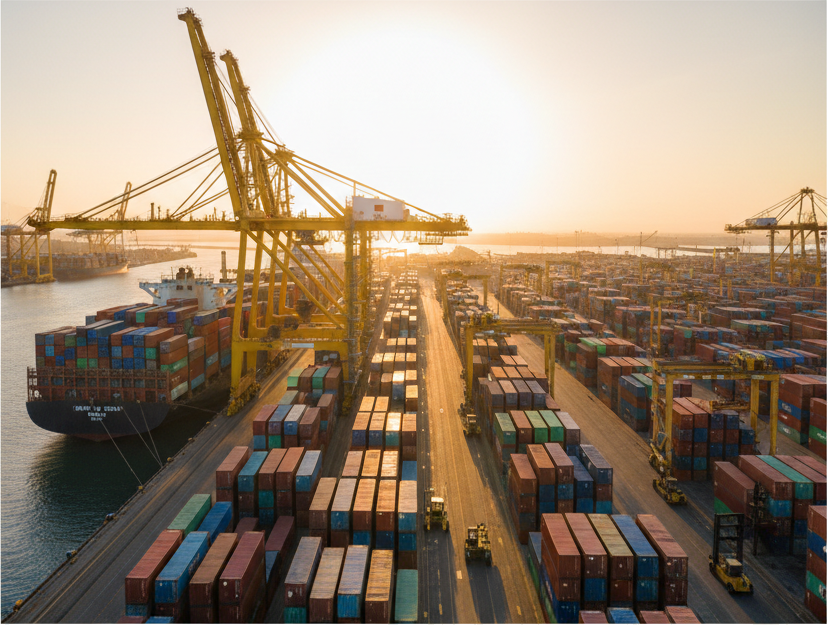
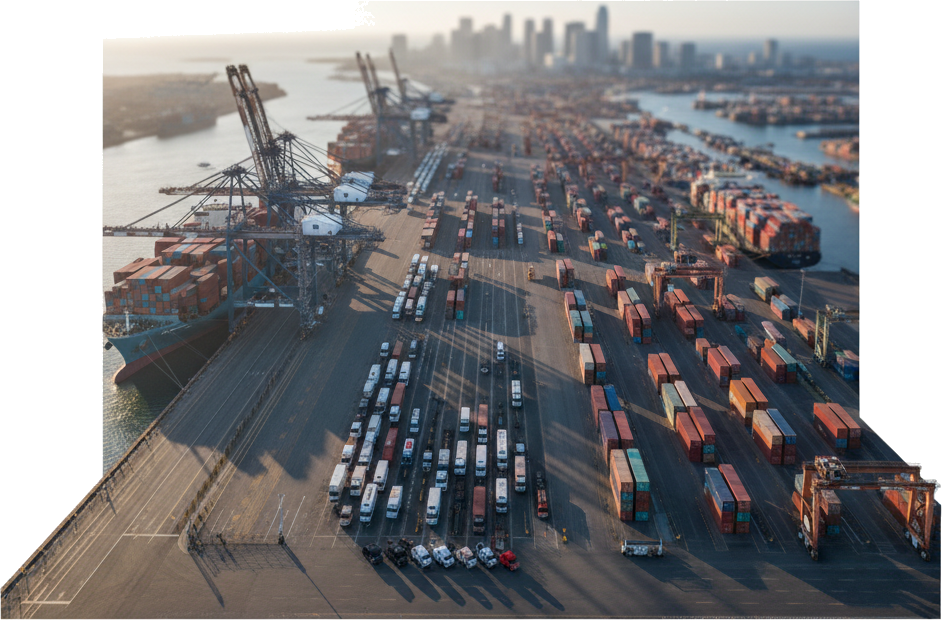
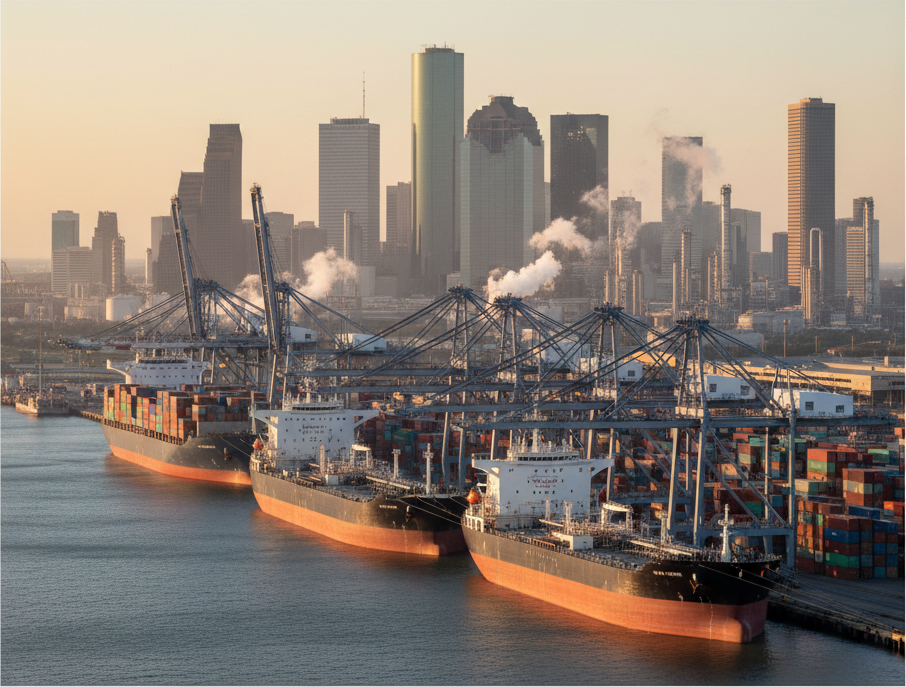
Port Houston operates two main container terminals: Bayport Container Terminal and Barbours Cut Container Terminal. Between them, they handle all of Houston’s containerized cargo.
Bayport is the newer, larger facility located on the west side of the Houston Ship Channel. It has 7 ship-to-shore cranes and space for further expansion. Truck turn times at Bayport average 30-45 minutes, which is significantly faster than what you see at congested ports like Long Beach or New York/New Jersey.
Barbours Cut is the older terminal, located closer to the channel entrance. It handles both container and ro-ro (roll-on, roll-off) cargo. Turn times here run slightly longer (45-60 minutes) due to the facility’s layout, but it is still efficient by national standards.
Both terminals offer extended gate hours. Bayport runs gates Monday through Friday, 7 AM to 6 PM, with Saturday hours available during peak periods. This flexibility helps drayage providers avoid the worst traffic windows.
Drayage Costs and Routes from Port Houston
A standard Houston port logistics drayage move from Bayport or Barbours Cut to a warehouse within the Houston metro area (30-mile radius) costs $300-$500 for a 40ft container. This is often $50-$100 cheaper than comparable moves at Long Beach, reflecting Houston’s lower congestion and operating costs.
Common drayage destinations from Port Houston:
- East Houston / Pasadena warehouse district: $300-$400. Closest to the port, heaviest concentration of 3PLs.
- Northwest Houston / Cypress: $400-$500. Growing distribution hub along US-290.
- Katy / West Houston: $450-$550. Access to I-10 corridor for further distribution.
- Dallas-Fort Worth: $800-$1,200. A 4-5 hour drive via I-45. Some importers use rail for this lane.
- San Antonio / Austin: $700-$1,000. 3-4 hours on I-10.
Houston drayage avoids the chassis shortage problems that plague West Coast ports. The Houston chassis pool is well-supplied, and per-diem charges are lower ($30-$50/day compared to $40-$75 on the West Coast).
Why Houston Works for Central US Distribution
Geography tells the story. Houston sits within a two-day truck drive of 45% of the US population. Compare that to Long Beach, where reaching the same coverage requires a 4-5 day cross-country haul or expensive intermodal rail.
For sellers on Amazon FBA, this geographic advantage is significant. Amazon’s fulfillment centers in Texas (Houston, Dallas, San Antonio, Austin) receive inventory faster from a Houston-area warehouse than from one in Southern California. Faster inbound means faster check-in, which means faster availability for sale.
Walmart’s distribution network also leans heavily on the central US. Their fulfillment centers in Texas and the Southeast are a one-day drive from Houston. For Walmart WFS sellers, a Houston-based 3PL can mean the difference between 1-day and 3-day inbound transit.
Houston’s Advantage for Non-Asian Imports
While Long Beach dominates Asian imports, Houston is often the better port for goods from other regions. Direct vessel services connect Houston to major ports in Northern Europe (Rotterdam, Hamburg, Antwerp), the Mediterranean, the Middle East, India, and South America.
For sellers importing from Turkey, India, or Brazil, shipping through Houston can cut transit time by 7-14 days compared to routing through the Suez Canal and across the Pacific to the West Coast. That time savings translates directly to faster inventory availability and lower working capital requirements.
Latin American sourcing, which is growing as sellers diversify away from China, also favors Houston. Mexican manufacturing hubs in Monterrey and Guadalajara are within 1-2 day trucking distance of Port Houston. Central American and Colombian shipments have short ocean transit times (3-7 days) to the Gulf Coast.
Houston Port Logistics Challenges to Plan For
Houston has its own set of issues. Hurricane season (June through November) can disrupt port operations. When a tropical system enters the Gulf of Mexico, Port Houston may close for 2-5 days. In 2024, Tropical Storm Alberto caused a 3-day port closure that backed up approximately 15,000 containers.
The Houston Ship Channel itself is a constraint. At 530 feet wide in many stretches, it limits the size of vessels that can call on Houston. The largest container ships (18,000+ TEU) cannot transit the channel, which means Houston often receives feeder services from larger transshipment hubs in the Caribbean or direct calls from mid-size vessels.
Road infrastructure near the port is adequate but can congest during morning and evening rush hours. SH-225 (the main highway connecting the port to I-610 and I-10) gets heavy truck traffic. Experienced drayage providers schedule pickups for mid-morning or early afternoon to avoid the worst of it.
Making Houston Port Logistics Work for Your Business
Start by comparing total landed cost, not just ocean freight rates. A shipment that costs $200 more in ocean freight to Houston but saves $500 in drayage, storage, and inland transportation is a net win. Factor in time savings too: getting product to market a week faster means a week less of carrying cost on your inventory.
If you currently route everything through the West Coast, try splitting your next few shipments. Send one container to Houston and compare actual costs and timelines against your Long Beach lane. The data will make the decision for you.