Kitting and Assembly Services: Adding Value Before the Sale
Kitting Services Turn Single Products into Higher-Margin Bundles
Kitting services are one of the fastest ways to increase your average order value without developing a new product. You take two or more existing SKUs, package them together, and sell the bundle as a single unit. The parts already sit in your warehouse. The margin lift comes from perceived value and reduced per-unit fulfillment cost.
For ecommerce sellers on Amazon, Walmart, Shopify, and TikTok Shop, kitting is not just a nice-to-have. It is a competitive strategy that affects your listing differentiation, your fulfillment speed, and your profit per order.
What Kitting Actually Involves
At its simplest, kitting means pulling multiple items from inventory, combining them into one package, and assigning a new SKU to the bundle. A skincare brand might kit a cleanser, toner, and moisturizer into a “starter set.” A pet supply seller bundles a leash, collar, and waste bag holder.
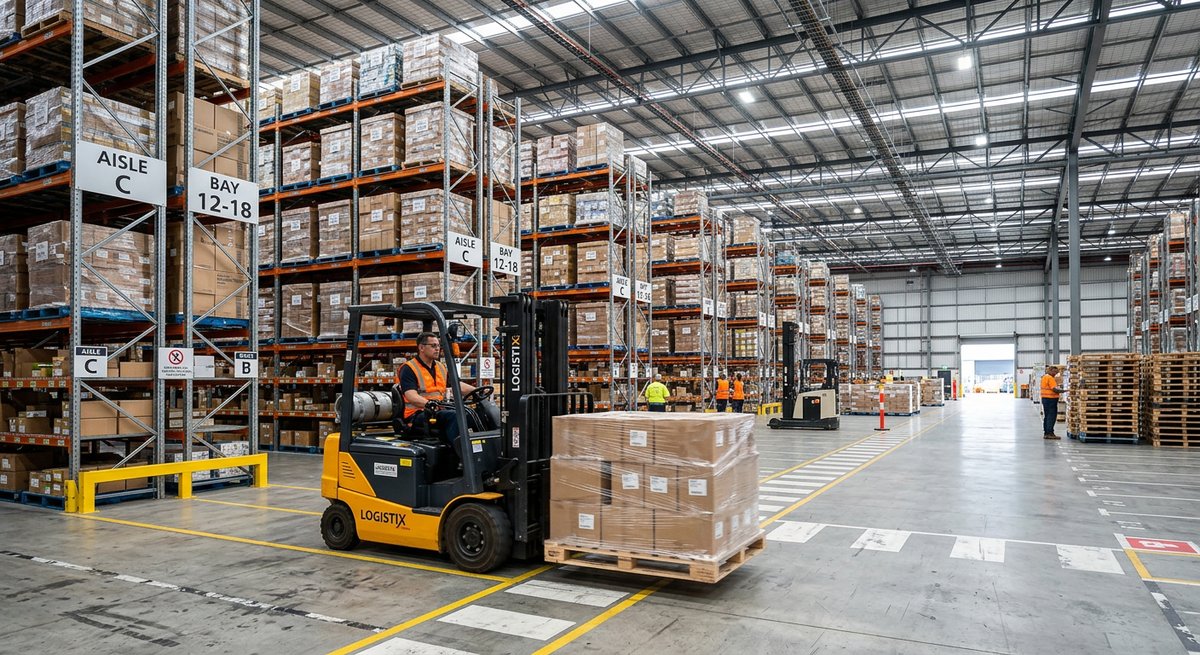
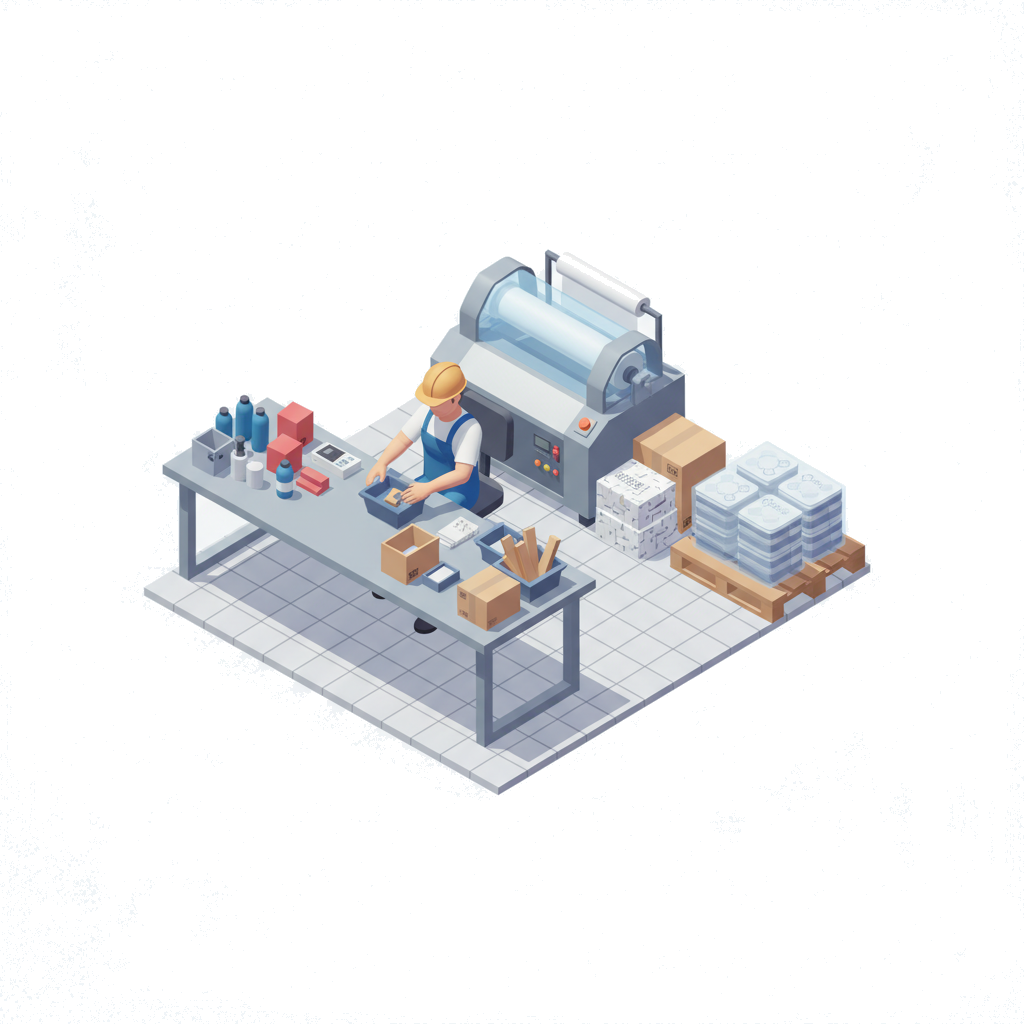
The physical process at a warehouse looks like this: a worker pulls the component items from their storage locations, inspects each one, places them into the designated packaging (box, poly bag, shrink wrap), adds any inserts or labels, and closes the package. The finished kit gets a new barcode and goes back into inventory as a single sellable unit.
Kitting vs Assembly
These terms get used interchangeably, but they are different. Kitting combines finished products into a bundle. Assembly involves building or modifying a product before it ships. Examples of assembly: attaching handles to cookware, inserting batteries into electronics, or folding and tagging garments.
Some 3PLs offer both. Some only handle kitting. If your product requires any physical modification before sale, confirm your kitting and assembly provider can handle the specific tasks involved.
Why Sellers Use Kitting Services
The reasons go beyond convenience. Kitting services directly affect four things that matter to your bottom line.
First, bundled listings compete differently on marketplaces. A “3-piece kitchen set” faces less direct price comparison than the individual items sold separately. This protects your margins from race-to-the-bottom pricing.
Second, kitting reduces your fulfillment cost per item. Shipping three products in one package costs less than shipping three separate orders. One pick, one pack, one label, one box.
Third, bundles increase average order value. Customers spend more per transaction when they see a curated set. Data from multiple sellers shows 15-25% higher AOV on bundled listings compared to individual items.
Kitting Services for Multi-Channel Sellers
If you sell across Amazon, Walmart, and your own Shopify store, kitting gets more interesting. Each channel might need different bundle configurations. Amazon might get a 3-pack, Walmart gets a 2-pack with different packaging, and Shopify gets a premium gift set with branded inserts.
A good 3PL handles this by maintaining component inventory and assembling channel-specific kits on demand or in batches. You keep one pool of components instead of pre-building kits for every channel and hoping you forecasted correctly.
How Kitting Services Are Priced
Most 3PLs charge for kitting as a per-unit fee based on complexity. Simple kitting (putting two items in a poly bag) might run $0.50 to $1.00 per kit. More involved work like shrink wrapping, custom box assembly, or inserting multiple components with specific orientation can run $2.00 to $5.00 per kit.
Variables that affect pricing:
- Number of components per kit
- Packaging type (poly bag vs custom box vs shrink wrap)
- Insert requirements (instruction cards, promotional materials)
- Labeling (FNSKU labels, UPC barcodes, custom stickers)
- Volume: higher quantities usually mean lower per-unit rates
Get quotes based on your actual kit specs. A vague “kitting services” quote is useless. Provide your 3PL with photos, component lists, and packaging requirements for accurate pricing.
Kitting for Amazon FBA Compliance
Amazon has specific rules for bundled products sent to FBA. Each kit needs a single FNSKU label on the outside. The individual items inside cannot have exposed scannable barcodes (cover them or remove them). The package must be sealed so it cannot be opened without visible tampering.
Amazon also requires that the bundle listing clearly identifies all components. If your kit contains items from different categories, category approval requirements for each component still apply.
Non-compliant kits get rejected at the fulfillment center. Your inventory sits in limbo while you figure out the fix, and you pay removal fees if Amazon ships it back. A 3PL experienced with FBA prep handles these requirements as part of the kitting process.
When to Kit In-House vs Outsource
If you are building fewer than 100 kits per week, doing it yourself might make sense. The volume does not justify outsourcing, and you can control quality directly.
Above 200-300 kits per week, outsourcing typically wins. Your time is better spent on product development and marketing than hand-assembling bundles. The labor cost at a warehouse is lower than your opportunity cost.
Seasonal sellers benefit most from outsourced kitting services. A holiday gift set that requires 5,000 kits built in November is a terrible use of your garage or spare bedroom. A 3PL can scale the labor up for two weeks and scale it back down without you hiring or firing anyone.
Getting Started with Kitting
Document your kit specifications before approaching a 3PL. Include photos of the finished kit, a component list with quantities, packaging specs, and labeling requirements for each sales channel. The more detail you provide upfront, the more accurate the quote and the fewer surprises during production.
Ship your components to the warehouse separately or as part of your regular inbound shipments. The 3PL will store the components and build kits either in advance (batch kitting) or as orders come in (on-demand kitting). Batch kitting is cheaper per unit. On-demand kitting gives you flexibility to change bundle configurations without wasting pre-built inventory.
Start with your best-selling bundle configuration. Prove the process works and the margins hold. Then expand to additional kit variations as you see what customers respond to.